


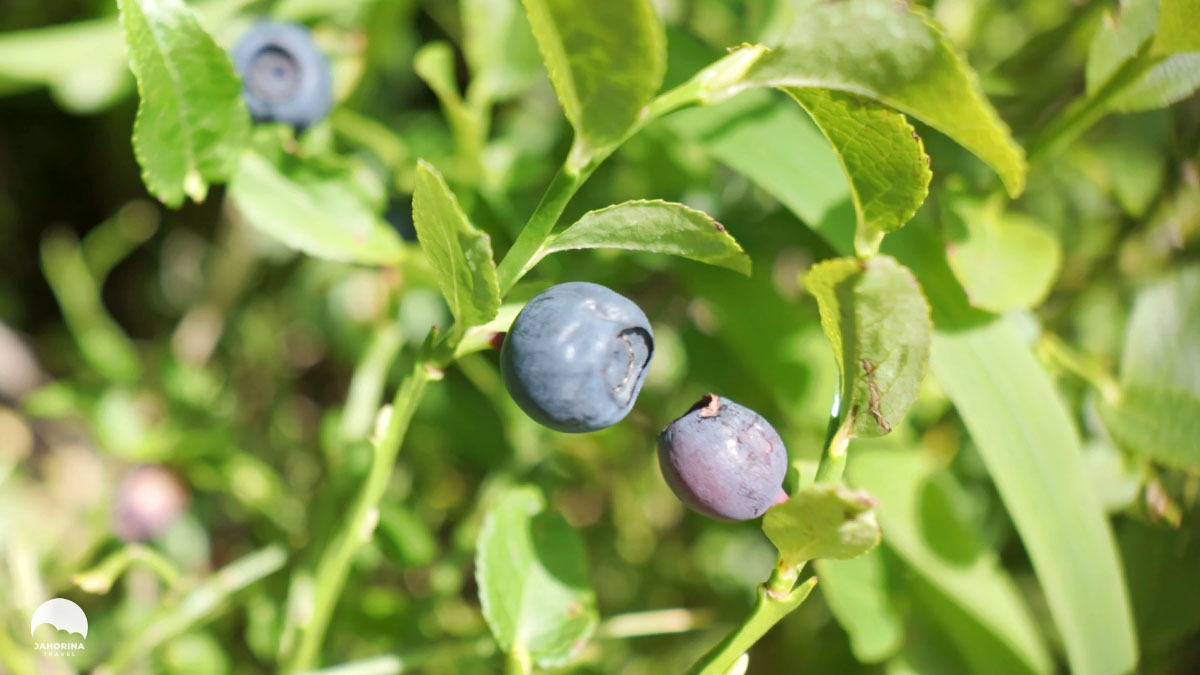
Jahorina is not only a winter mountain. When the snow melts, its forests, meadows and mountain plateaus reveal a different kind of treasure – wild blueberries, small deep-blue berries with a bold flavour and a scent that evokes a true summer in nature.
Where do wild blueberries grow on Jahorina?
The most popular ski area is located on the north-western side of the mountain, but nature lovers can discover particularly interesting landscapes on the southern and eastern sides of Jahorina. Here, open meadows, mountain pastures and quieter areas are rich in blueberries, cranberries and other medicinal plants.
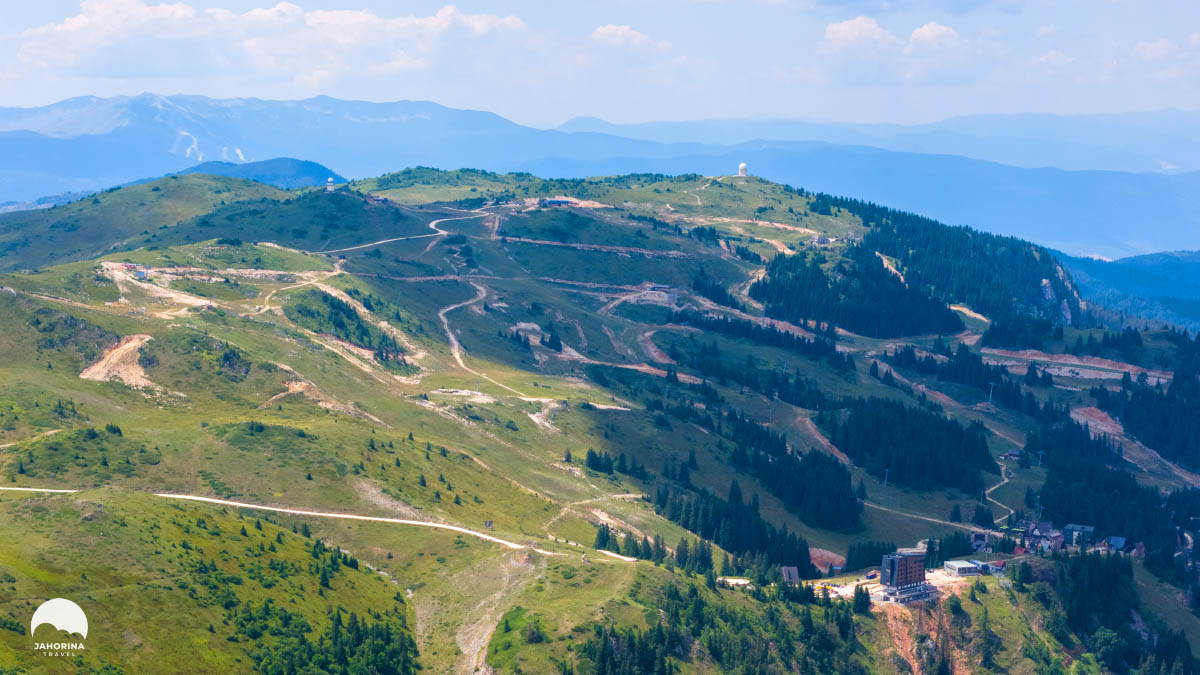
Areas towards Grebak stand out in particular, as do the plateaus near the source of the Crna Rijeka, also known as Surduk or Seven Springs. This part of Jahorina offers a completely different experience of the mountain – without extensive development, with wide-open views, fresh air and the feeling of stepping into untouched nature. However, blueberries also grow along the ski slopes in the more accessible part of the mountain, where it is possible to pick plenty.
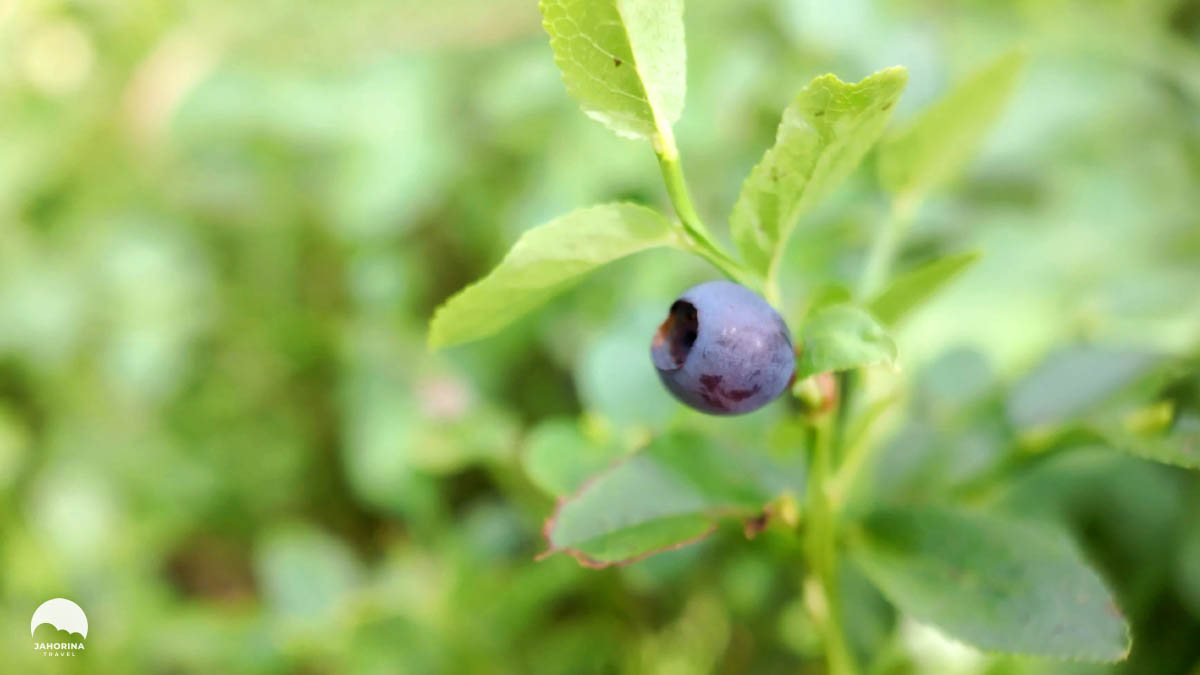
Wild blueberries most commonly grow in acidic, nutrient-poor soils, along the edges of coniferous forests, in clearings and on mountain meadows. On Jahorina, they can be found not only near the main tourist facilities, but also in quieter and more open parts of the mountain.
When is the picking season?
On Jahorina, wild blueberries are most commonly picked from late July throughout August. The exact start of the season depends on altitude, the amount of snow during winter and weather conditions in spring and summer. On higher plateaus, the berries may ripen slightly later.
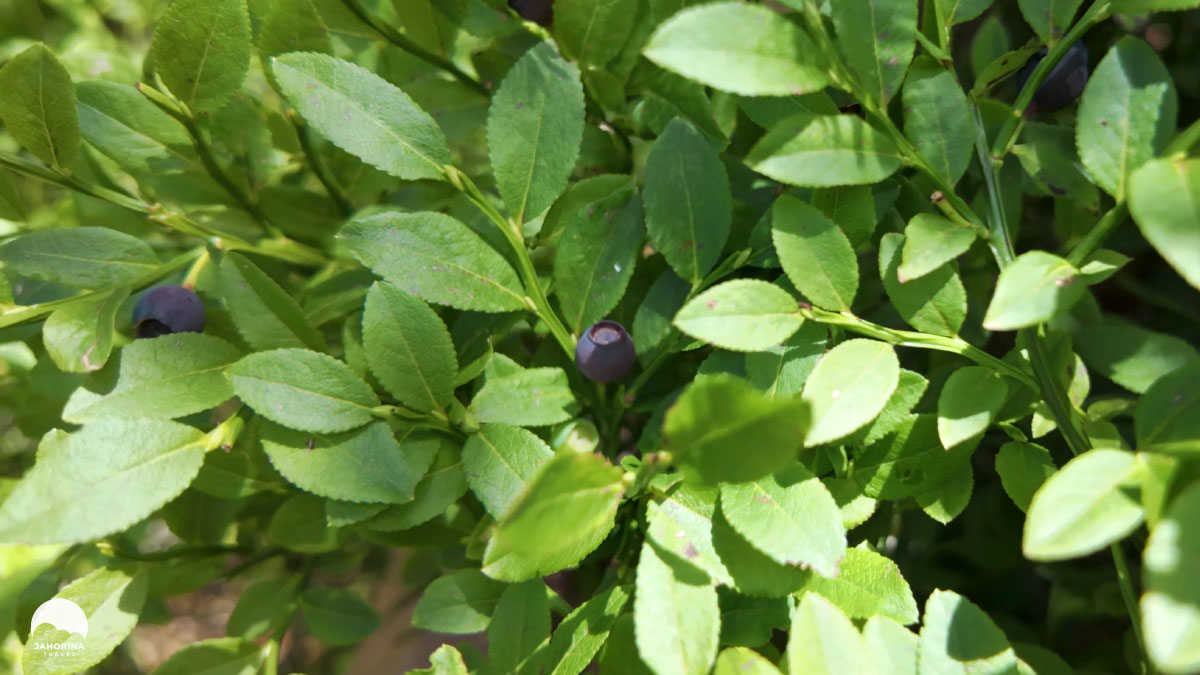
A ripe blueberry is deep blue to almost black, soft and highly aromatic. It is best picked carefully by hand, without pulling off branches or using metal combs that can damage the plants and reduce future yields. Local sources have warned for years that improper picking threatens the natural habitats of blueberries.
When picking, leave enough berries for birds and other wildlife, avoid stepping on young plants and do not leave any litter behind. Visitors unfamiliar with the terrain should stay on marked trails and ask local guides or hosts for advice.
How healthy are wild blueberries?
Wild blueberries are small, but nutritionally very valuable. They contain dietary fibre, vitamin C, vitamin K, manganese and various plant compounds, especially flavonoids and anthocyanins – the pigments responsible for their dark colour.
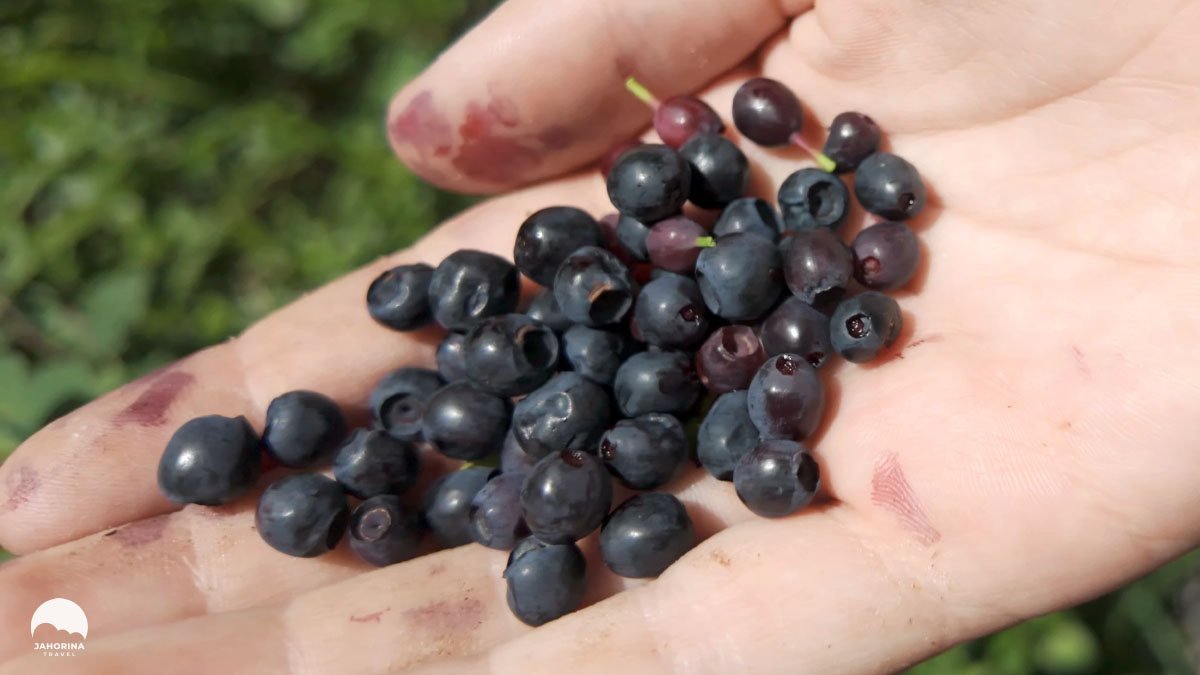
This is why blueberries are often considered a fruit rich in antioxidants. Still, it is important to be realistic: blueberries are not medicine and do not treat specific illnesses on their own. The U.S. National Center for Complementary and Integrative Health notes that bilberry has not been clearly proven to treat any medical condition. They are best enjoyed as part of a varied and balanced diet.
Whole, ripe berries are recommended – fresh or frozen. They are excellent with yogurt or sour milk, oats, nuts and a little honey. They can be added to pancakes, homemade cakes or porridge, while juice, syrup, jam and preserves are traditionally made from them. Caution is advised with leaf tea and concentrated herbal products, especially for people taking medication.
Blueberries and hiking – a healthy combination
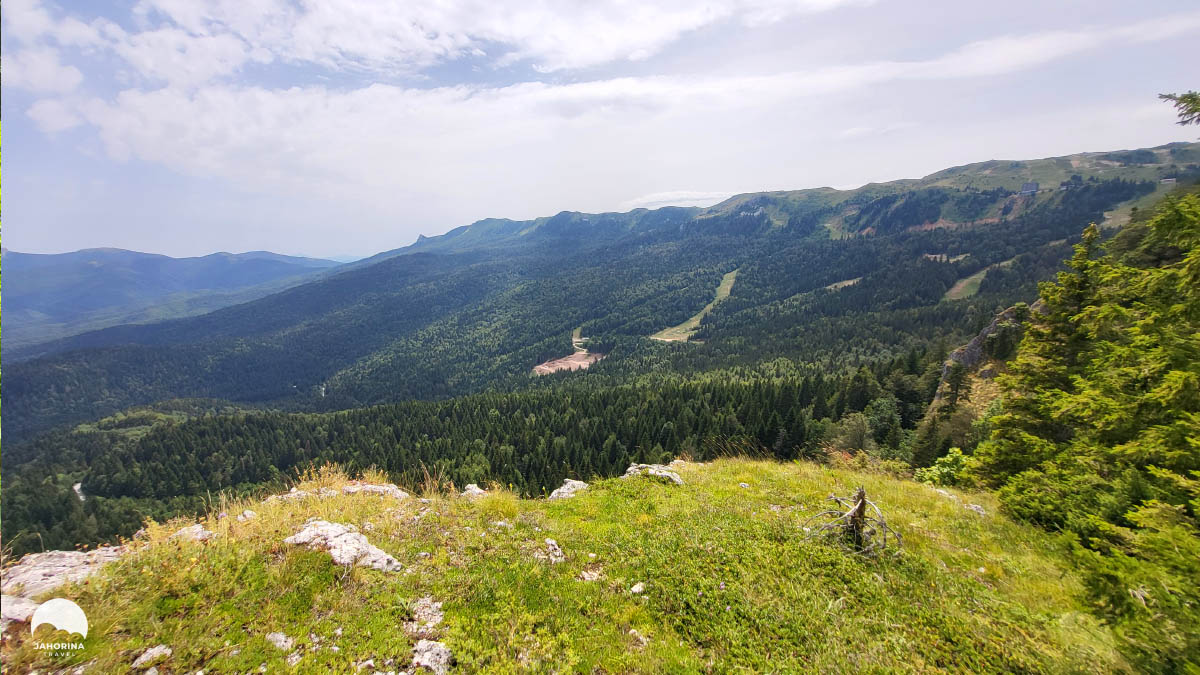
Picking blueberries is most enjoyable when it becomes part of an easy mountain walk. Moving through meadows and forest trails activates the legs, improves circulation and contributes to a better mood and sleep. According to the U.S. Centers for Disease Control and Prevention, physical activity can immediately improve energy and mood, while reducing the risk of many chronic diseases in the long term.
On Jahorina, it is ideal to combine walking, enjoying the scenery and taking a short break with fresh blueberries. Bring comfortable footwear, water, sun protection and a light jacket, as mountain weather can change quickly. Choose a trail that matches your fitness level and do not venture away from familiar routes without preparation.
How much do they cost and where are they sold?
According to publicly available offers from June and July 2026, fresh wild blueberries in Bosnia and Herzegovina were most commonly sold for approximately 18 to 23 KM (BAM) per kilogram. The price depends on the picking location, packaging, quantity and delivery.
There is no single official price on Jahorina itself. Blueberries are most often bought directly from local pickers and producers, through social media, at markets in Pale and Sarajevo, or through recommendations from local hosts. They are sometimes available in processed form as juice, jam or syrup, while some hotels and restaurants may offer seasonal desserts and drinks made with wild berries.
The best souvenirs from Jahorina do not always have to come from a shop. Sometimes it is a small box of freshly picked blueberries, together with the memory of a day spent walking, enjoying the silence and breathing the fresh air of the Olympic mountain.
0 Comment