


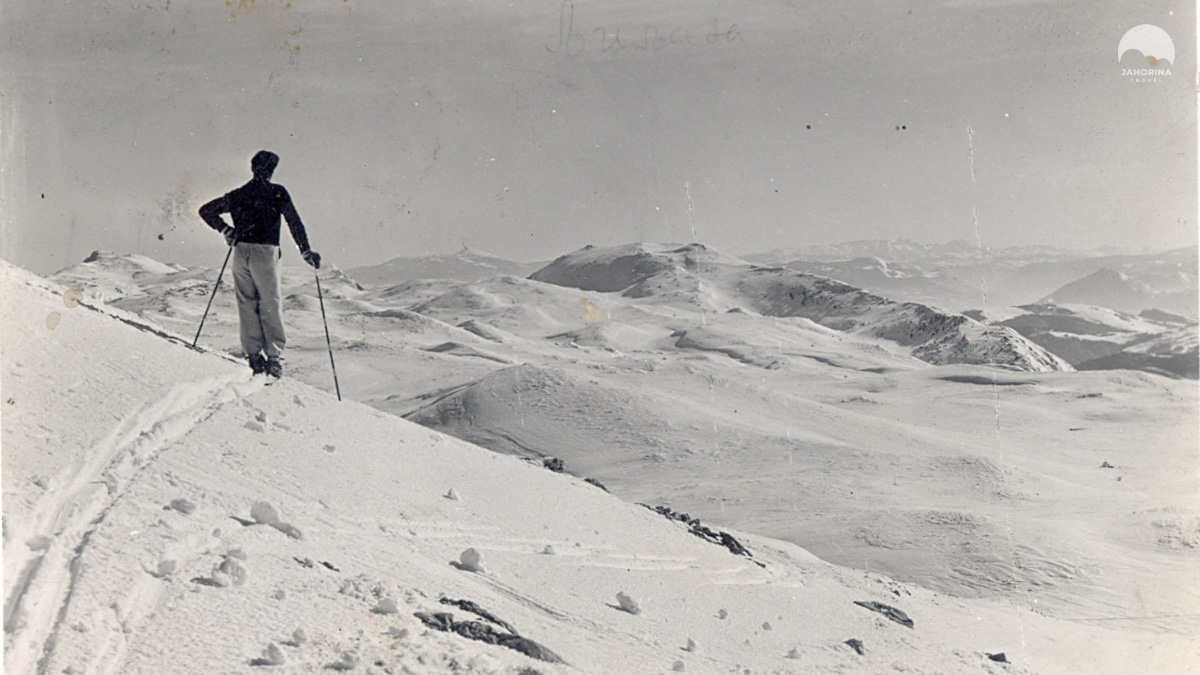
In mid-February 1975, Jahorina was hit by a spell of heavy snowfall that lasted for days. Snow continued to fall until early March, eventually leaving the mountain beneath a blanket more than two and a half metres deep. That event was just one chapter in the history of Jahorina’s winters of old, when snowdrifts were measured in metres and patches of snow sometimes lasted into summer.
This explains why the winter season was once seen as a period that could last almost half a year. In older accounts of Jahorina, snow was not a passing episode lasting a few weeks, but a presence that shaped life on the mountain for months.
Snowdrifts could be much deeper
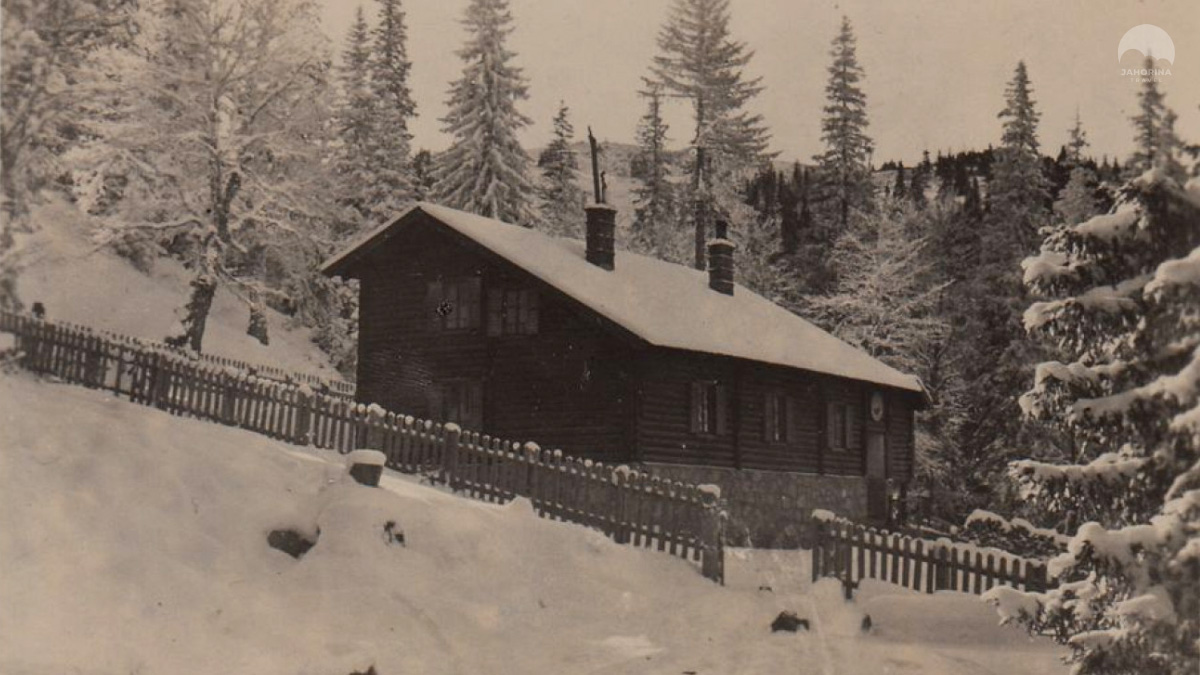
Ljubo Mihić’s descriptions of the effects of the wind are particularly striking. Across the exposed terrain of Gola Jahorina, the wind shifted enormous quantities of snow, creating drifts far deeper than the average snow cover.
Mihić states that some snowdrifts could reach up to nine metres, and also describes deep cuttings and even passageways through the snow around the chairlift. These figures should be understood as part of the author’s historical account and the testimony of people who lived and worked on the mountain at the time, since Jahorina did not then have the continuous meteorological observations available today.
The wind also created a landscape very different from one shaped by fresh snowfall alone. It could strip one area bare, then build a wall of compacted snow several metres high just a few dozen metres away.
Snow lasted into summer
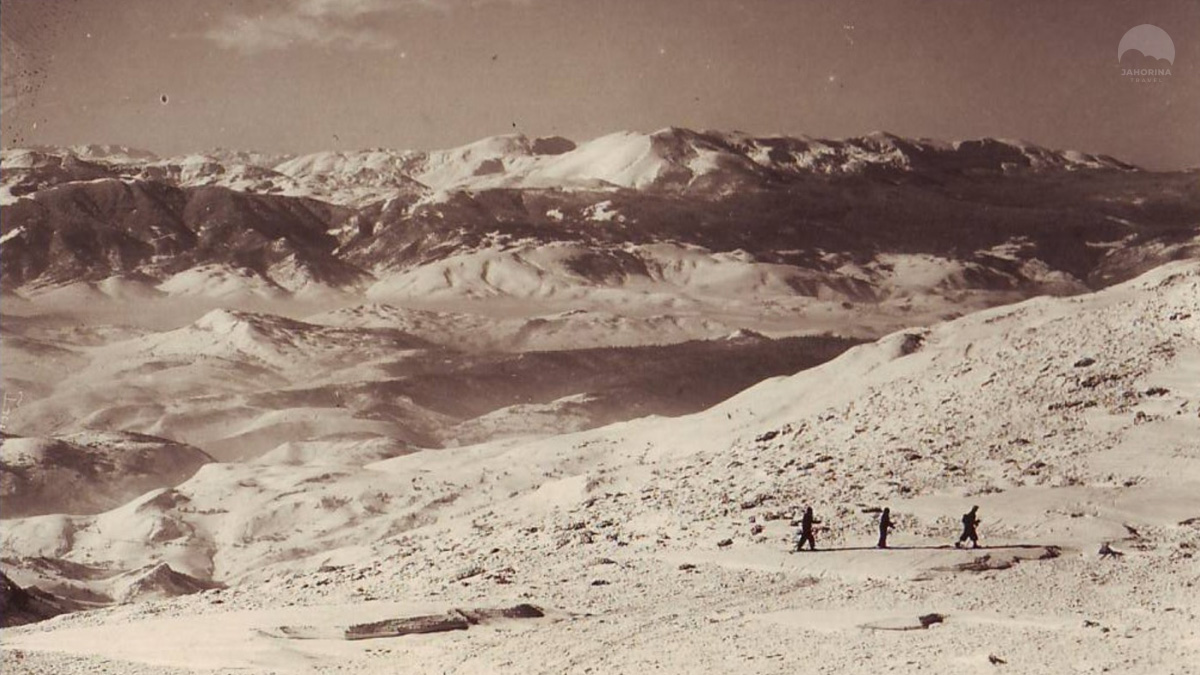
Perhaps the most remarkable part of these old accounts concerns how long the snow remained. Mihić records Trifko Pavlović’s recollection that there were years when snow lingered in Jahorina’s deep hollows throughout the summer. He also writes that sheltered patches of snow could remain long after the rest of the mountain had turned green.
Such patches formed where the terrain protected the snow from direct sunlight and where the wind accumulated large quantities during winter. Mihić notes that snow remained on northern slopes and in sheltered places much longer than on exposed summits, sometimes lasting almost until fresh snow arrived in autumn.
An earlier description by Jovo Popović, written in 1935, adds to this picture of Gola Jahorina: in midwinter, its high, rounded summits were covered in hardened snow and rime, while the mountain remained beneath a thick blanket of snow from December until the end of April.
When winter was no longer just beautiful
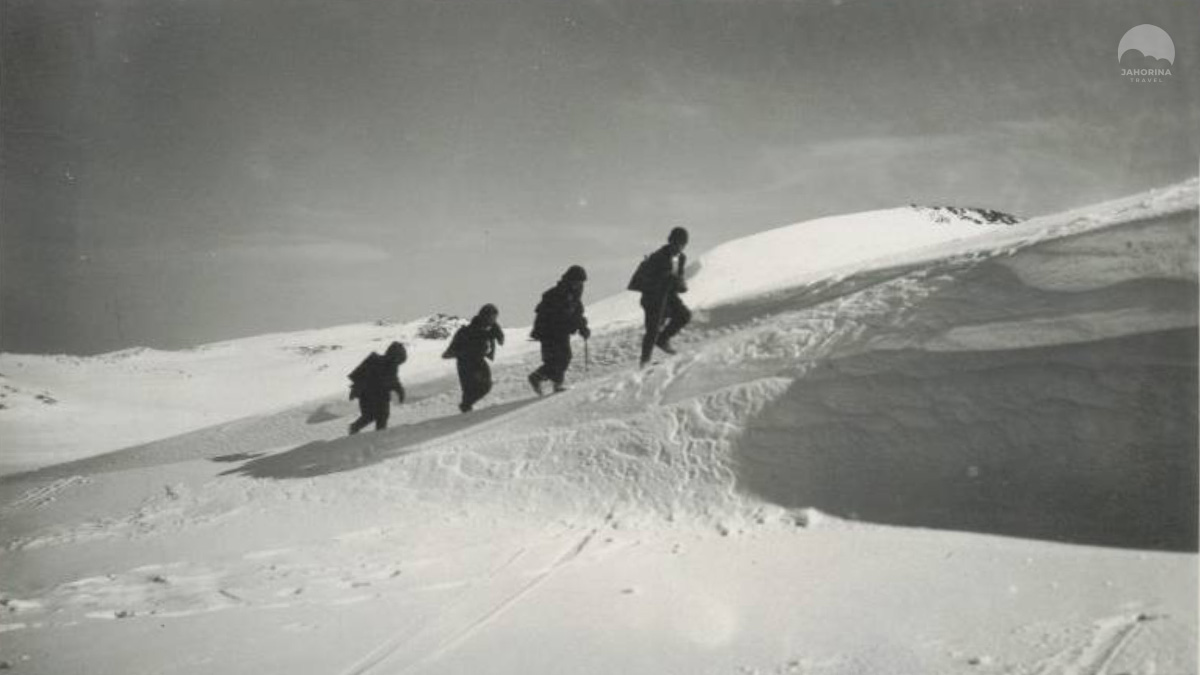
Deep snow did not simply mean ideal skiing conditions. Jahorina’s winters of old could be seriously dangerous.
One of the most tragic events recorded by Mihić took place in 1964. Petko Obućina, who worked at Cvijan Golijanin’s chairlift, set out from Crna Rijeka towards Gola Jahorina on his way to work. He was caught in a northerly wind and a fierce blizzard, with the temperature below –20 °C. Snow accumulated around him until he was completely buried in a drift. His body was found on the fourth day of the search.
This event shows how different life on the mountain was before modern infrastructure. Today, there are maintained roads, weather forecasts, mobile communications, rescue services and snow-clearing equipment. Back then, a journey of just a few kilometres through a blizzard could become a fight for survival.
Jahorina had no weather station
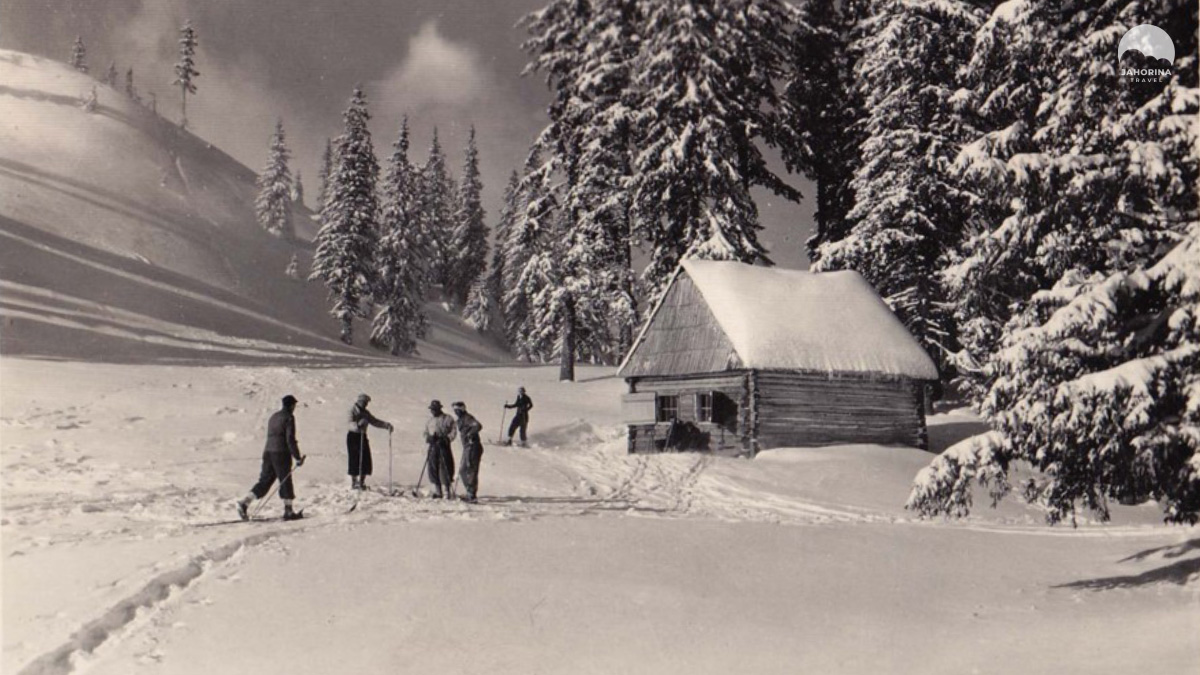
Interestingly, much of the historical information about Jahorina’s climate dates from a time when the mountain had no permanent weather station. Mihić states that measurements were taken on Jahorina from approximately February 1962 to February 1963, after which they were discontinued. For his broader analysis, he used data from Bjelašnica, Čemerno, Vrelo Prače, Pale, Sarajevo and other nearby stations.
Some information about extreme snow depths therefore comes from a combination of calculations made at the time, brochures and the testimony of people who spent decades on Jahorina. This does not diminish its value, but it is important to distinguish it from today’s automated meteorological measurements.
Mihić, for example, reports that Petar Karić and Obren Golijanin, who had spent many years on the mountain, maintained that snow arrived very early on Jahorina. Their experiences are consistent with data from the period indicating that snow cover persisted through much of the colder half of the year.
The winter of 1975: a glimpse of a different Jahorina
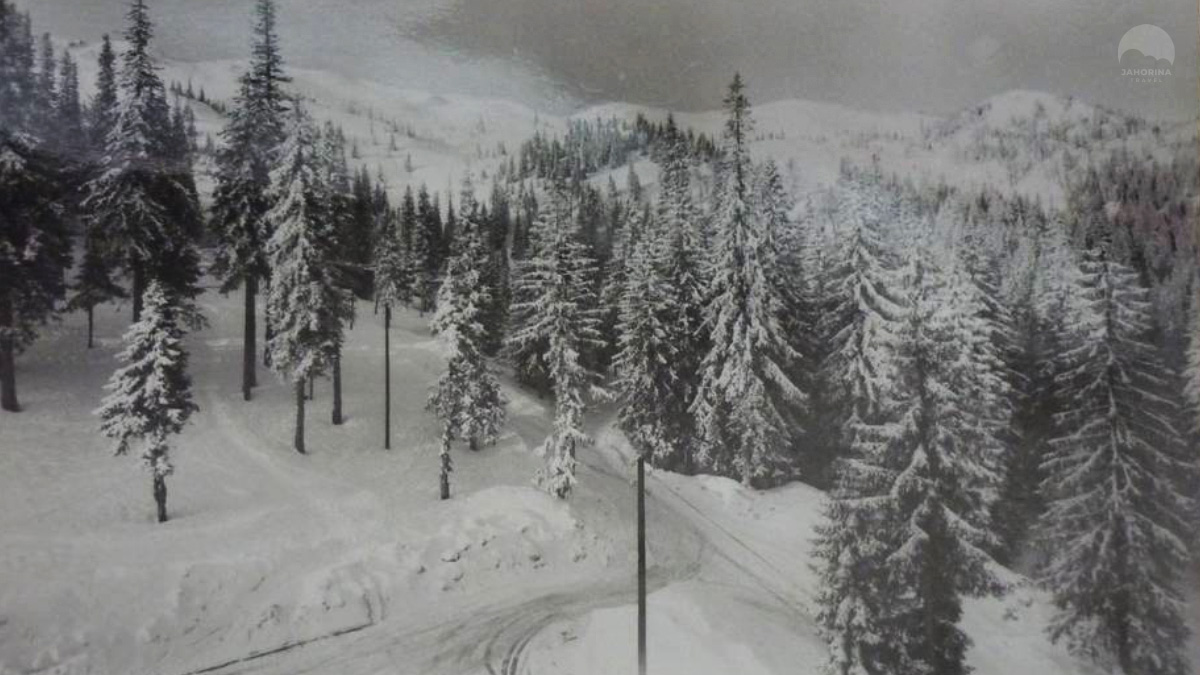
The significance of the snowfall of 1975 therefore goes beyond the figure of 2.5 metres. It takes us back to a time when Jahorina was far less developed, when single-seat chairlifts and old ski lifts formed the basic infrastructure, and dealing with snow was part of everyday life.
Back then, more than two and a half metres of snow could completely transform the mountain’s appearance. The wind would build it into drifts several metres high, sheltered hollows would preserve it for months, and access to buildings and chairlifts depended on people who knew the mountain far better than they knew the weather forecast.
Today, we know Jahorina as a modern ski resort. Yet beneath that image lies a much older story of a mountain where winters could last for months, snow was measured in metres, and scattered white patches sometimes survived into summer.
0 Comment