


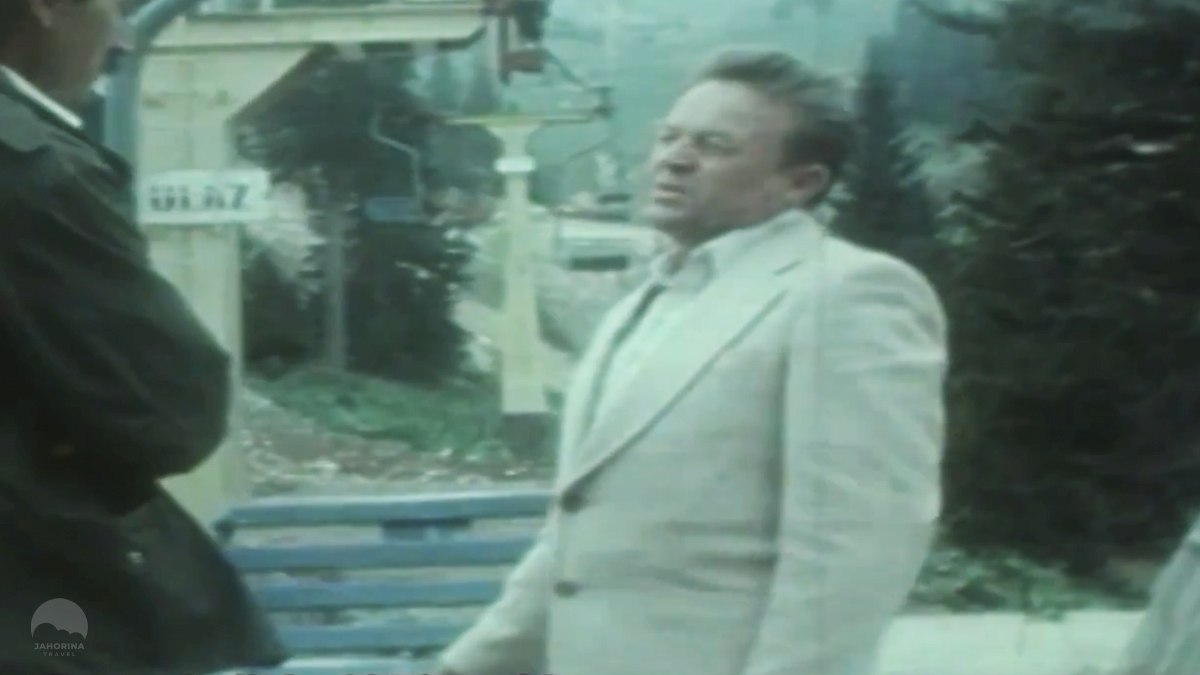
When discussing the history of Jahorina, people most often mention the first skis, old ski lifts, heavy snowfalls, sporting competitions, and the Winter Olympic Games. Yet behind the development of the mountain were also people whose names gradually became part of its identity.
One of them was Cvijan Golijanin, a man from the village of Zabojska, located on the southern slopes of Jahorina. Generations of skiers remembered him as a cheerful and kind man who spent almost his entire working life alongside Jahorina’s ski lifts.
His name became so closely associated with the beginnings of skiing on the mountain that Jahorina’s first ski lift became known among locals simply as – Cvijan’s Lift.
Cvijan and the Beginnings of Ski Lifts on Jahorina
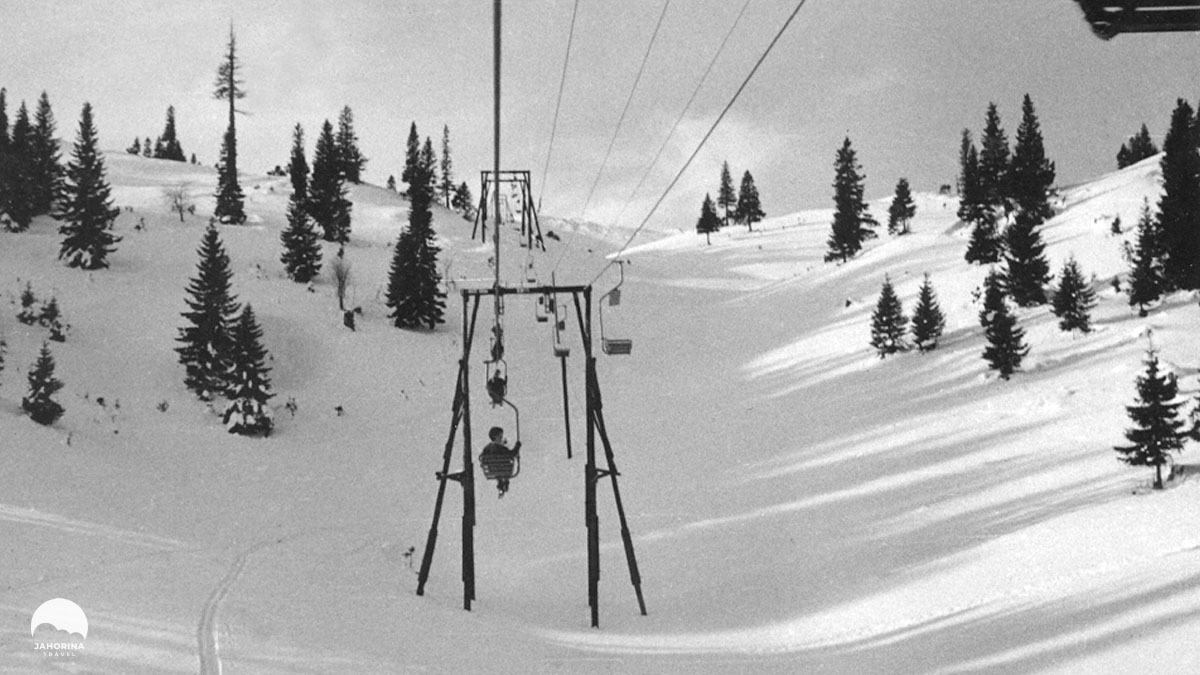
The first ski lift on Jahorina was built in the early 1950s, at a time when the mountain was only beginning to develop into a major winter resort.
In his detailed account of the development of ski lifts, geographer Dr Ljubo J. Mihić states that the first lift was opened on 29 November 1952. It started near the Hotel “Jahorina”, at an elevation of approximately 1,660 metres, and ran towards Gola Jahorina at 1,885 metres above sea level. The lift was 1,050 metres long, had 102 single-seat chairs, a capacity of around 360 passengers per hour, and the ride to the top took eight minutes.
Mihić obtained this information directly from Cvijan Golijanin, who managed the ski lifts on Jahorina from the time they first opened.
Cvijan supervised the operation of the lift and the boarding of skiers, and later became involved with other ski lifts that were built on Jahorina. According to local accounts, he continued working until the period of major changes and modernization of the mountain ahead of the 1984 Winter Olympic Games.
But skiers did not remember him only as the man responsible for the ski lift.
They remembered his character.
He was known as a cheerful, approachable, and kind man, in daily contact with people arriving on the mountain. It was precisely because of this close connection between Cvijan, the skiers, and the first lift that the name “Cvijan’s Lift” became widely used among local people.
A Man Who Spent His Life Alongside Jahorina
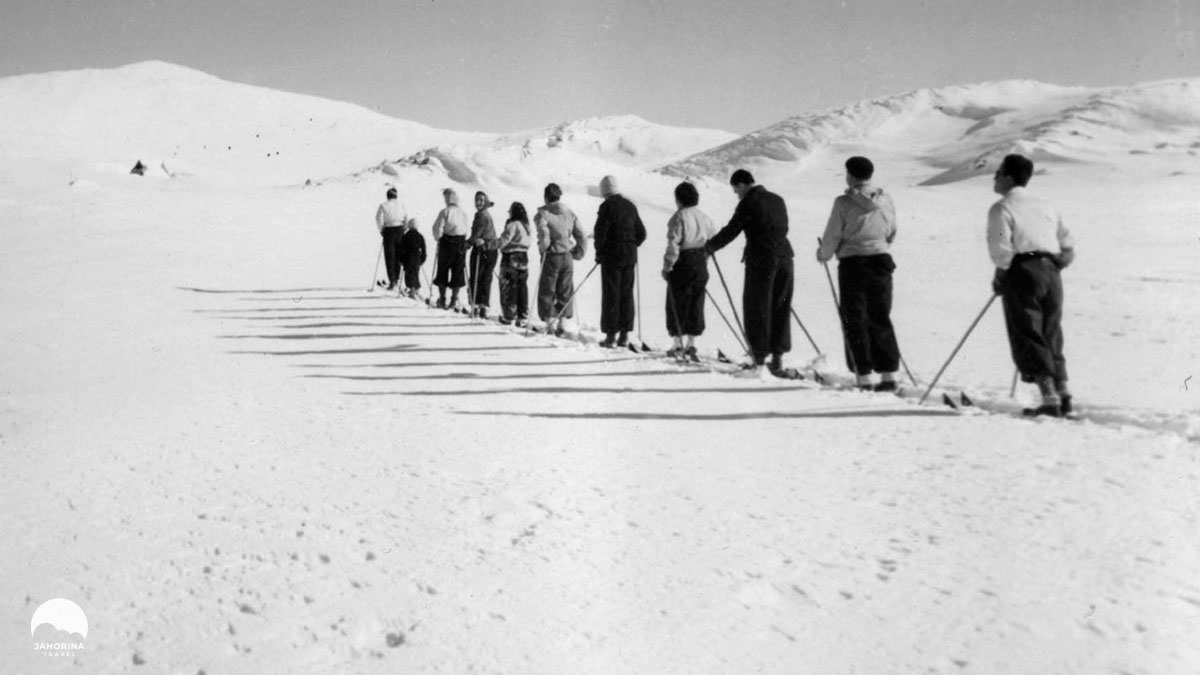
Cvijan did not know Jahorina only through skiing and ski lifts. “Old Cvijan” and Obren Golijanin spent their lives “in the embrace of Mount Jahorina”.
Mihić recorded their stories about Jahorina’s flowers, wild strawberries, blueberries, raspberries, blackberries, currants, mushrooms, and the mountain’s other natural riches.
This presents Cvijan in a somewhat different light. He was not merely a man employed to operate a technical installation. He was one of those people who knew the mountain through everyday life – its paths, winters, snow, forests, and dangers.
And one of those dangers nearly cost him his life.
He Survived an Avalanche
One of the most remarkable stories about Cvijan Golijanin was preserved thanks to Ljubo Mihić. One day, Cvijan was travelling from Gola Jahorina down the southern slopes towards Crna Rijeka when an enormous mass of snow began to move.
The avalanche swept him away. Together with the snow, Cvijan was carried around 500 metres down the mountain. People from nearby villages saw what had happened, rushed to the area with shovels, and managed to find and rescue him.
From a Single Ski Lift to an Olympic Mountain
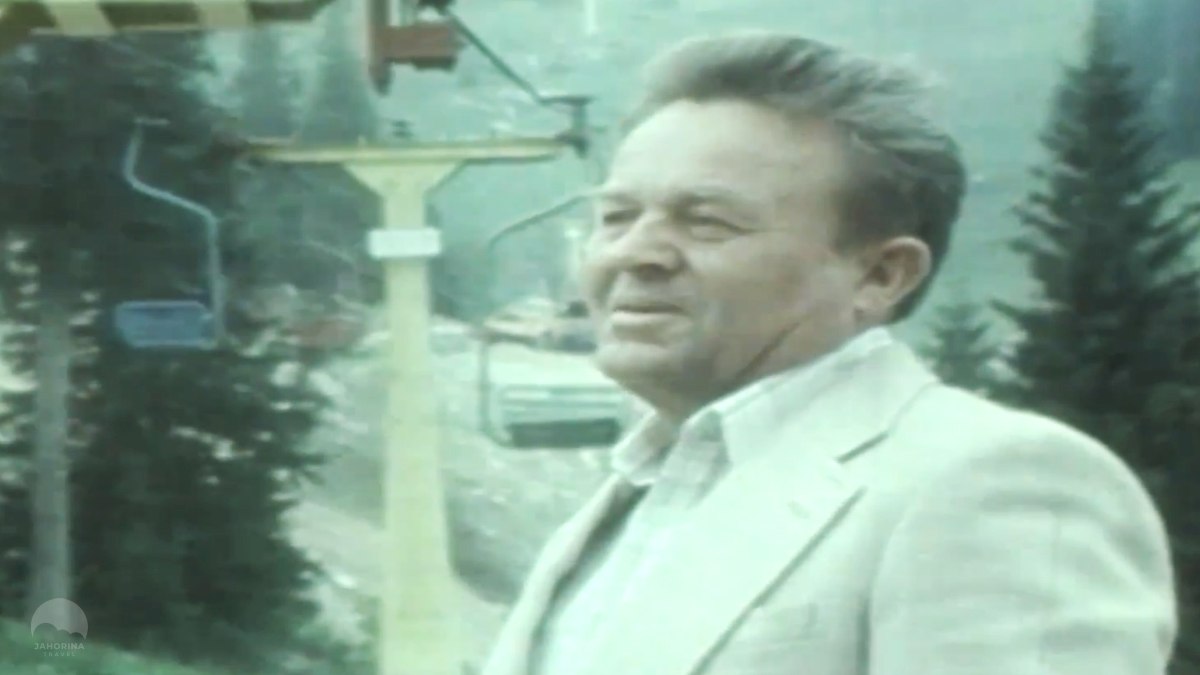
When Cvijan began working alongside the ski lift, Jahorina looked completely different from the mountain we know today.
In the early 1950s, skiers and mountaineers from Sarajevo would travel by train to Pale and then spend hours climbing towards Jahorina on foot, carrying their skis and equipment. The construction of the first ski lift marked one of the most important turning points in the development of the mountain as a ski resort.
Mihić states that skiing on Jahorina began to develop more seriously after the Second World War, and that in 1952 the first ski lift towards the peaks of Gola Jahorina was constructed.
Cvijan therefore witnessed the mountain’s remarkable transformation – from the era of a single, simple one-seat chairlift to a Jahorina that, by the early 1980s, had several ski lifts, groomed slopes, and infrastructure capable of hosting major international competitions.
Ahead of the 1984 Winter Olympic Games, a new chapter in the history of Jahorina began.
A Name Still Fondly Remembered Today
Today, the old structures have been replaced by modern chairlifts and gondolas. Hotels, ski slopes, skiing itself, and the appearance of Jahorina have all changed.
Yet in stories about the old Jahorina, one name continues to return. Perhaps that is precisely why the story of Cvijan Golijanin is worth more than the story of a single old ski lift.
Because ski lifts are built, replaced, and eventually disappear. But the people who helped shape the mountain become part of its identity.
0 Comment