Five days of postponements, a snowstorm, fog that stopped a race already under way, and a seventeen-year-old Swiss skier who had to prove twice that she was the fastest. The 1984 Olympic downhill on Jahorina is remembered for one of the smallest margins between gold and silver in the history of the Games.
On 15 February 1984, the women’s Olympic downhill finally got under way on Jahorina. The race, originally scheduled five days earlier, had been postponed because of snow and bad weather. When the organisers at last gave the signal to start, it looked as if the days of waiting were over.
Six forerunners went down the course, followed by the first four racers. Among them was the seventeen-year-old Swiss skier Michela Figini, who set the best time.
And then thick fog rolled over the upper part of the course.
Visibility became so poor that the race could not continue. It was stopped and later postponed to the next day. On top of the weather problems, the organisers also had to consider a complaint from the Canadian team about the condition of some sections of the course.
Figini had already been the fastest, but that result counted for nothing. The next day she had to go back to the start, just like all the other racers.
What happened on 16 February made her victory even more remarkable.
The snow we waited so long for
Sarajevo spent almost six years preparing for the Winter Olympics. Sports venues, hotels, roads and Olympic arenas were built. On Jahorina, courses were prepared for the women’s downhill, giant slalom and slalom.
But in early February 1984, the organisers were worried about something they could not control. There was not enough snow.
The winter was unusually mild. For days, Sarajevo had temperatures that did not fit the image of a Winter Olympics host city. Grass could be seen at some venues, and the prepared courses were waiting for serious snowfall. In later recollections of participants and journalists the same memory kept coming back: everyone was looking at the sky and waiting for snow.
Then, just as the Games opened, it started to snow. And it did not stop.
Forty centimetres overnight
On the night of 8 to 9 February, a heavy storm hit Sarajevo. According to the official final report of the Organising Committee, 40 centimetres of fresh snow fell in the city that night. On the men’s downhill course on Bjelašnica the snow cover was about one metre, and similar conditions were recorded on the women’s downhill course on Jahorina.
The organisers suddenly had a completely new problem. The snow they had been hoping for now had to be cleared from the venues, access roads and streets. The competition schedule started changing almost every day.
On Bjelašnica, wind gusts exceeded 200 kilometres per hour. The men’s downhill could not be held as planned.
Jahorina was not spared either. Training runs and races were moved because of snow and fog, and the women’s downhill, one of the most attractive events on the mountain, was waiting for better conditions.
Still, on the mountain courses, goodwill alone could not clear the fog.
Fog stopped the race
The women’s Olympic downhill was supposed to be held on 11 February. Because of bad weather, however, it was postponed several times, all the way to 15 February.
That day Jahorina finally welcomed the racers. It was Wednesday, 15 February, and once again the weather would not let the race be completed.
After six forerunners and four racers, fog covered the upper part of the course. Visibility was no longer good enough for the downhill to continue safely.
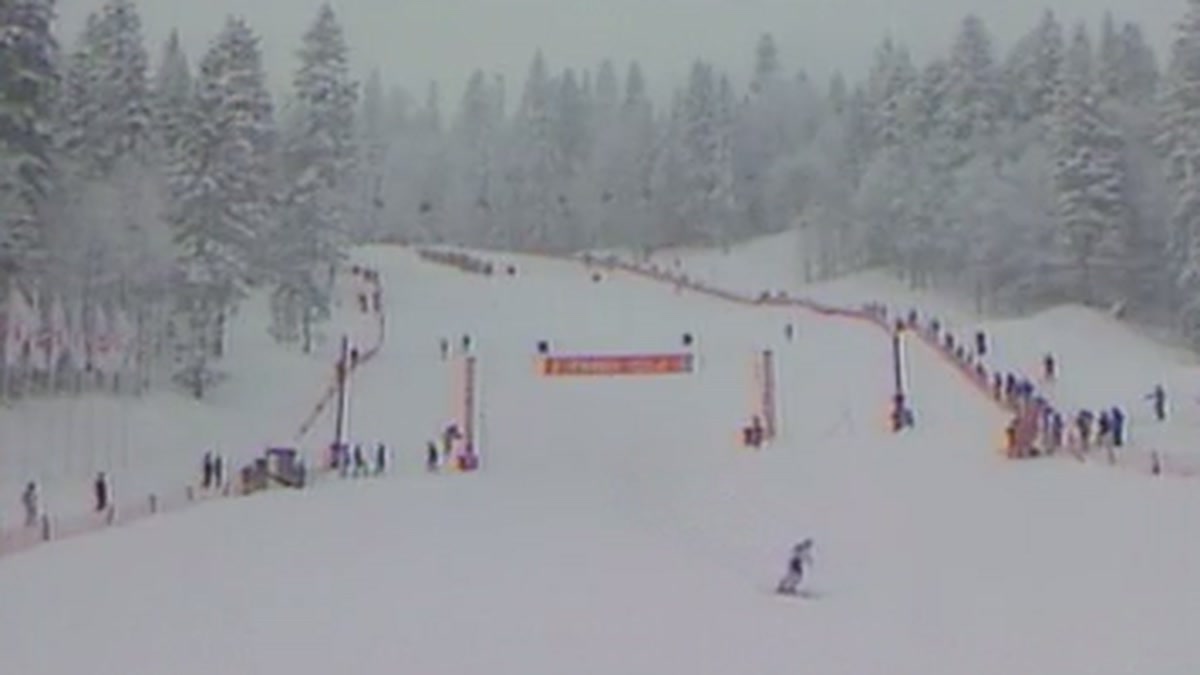
The American news agency UPI reported the same day that the race had been stopped and that Michela Figini was in the lead.
In the meantime, the Canadian team filed a protest about the condition of certain sections of the course. The organisers tried to find a way to continue the race, but the fog would not lift.
It was decided to rerun the race the next day. For Figini this was a particularly tough test. She had already come down the course faster than everyone who had raced before her. But at the Olympic Games it is not enough to be first among four racers. The result has to be achieved in a race that is properly completed.
Minus 14 degrees and 1,965 metres to the finish
On Thursday, 16 February 1984, the weather finally allowed the Olympic downhill to be held.
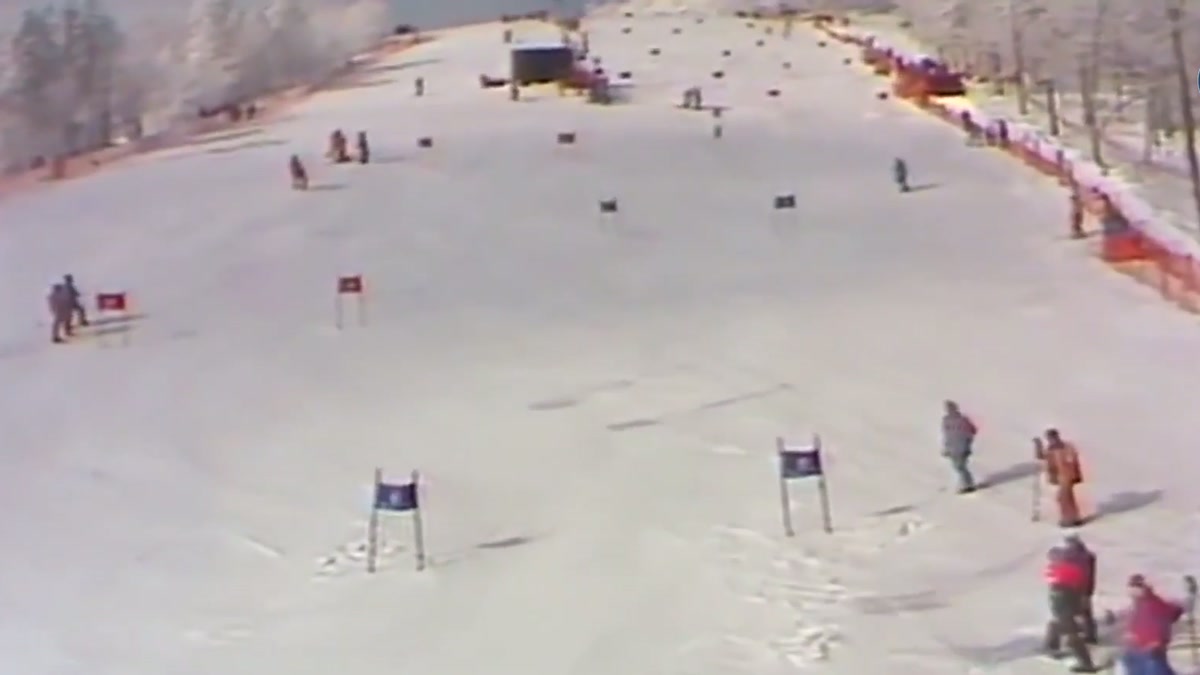
The race started at 10:30. At the start of Jahorina’s “Olympia” course, at an altitude of 1,872 metres, the temperature was minus 14 degrees. At the finish it was minus 13. The snow was hard, and light snowfall was recorded during the race.
The course was 1,965 metres long, with a vertical drop of 547 metres and 28 gates. The start list had 32 skiers from 13 countries.
Among the favourites was Switzerland’s Maria Walliser, one of the best downhill skiers of the time. Her young teammate Michela Figini was only just breaking into the top ranks of world skiing.
Figini went out with bib number five. The day before, she had already shown how fast she could be on this course. Now she had to do it again, when the result really counted.
She crossed the finish line in 1 minute 13.36 seconds.
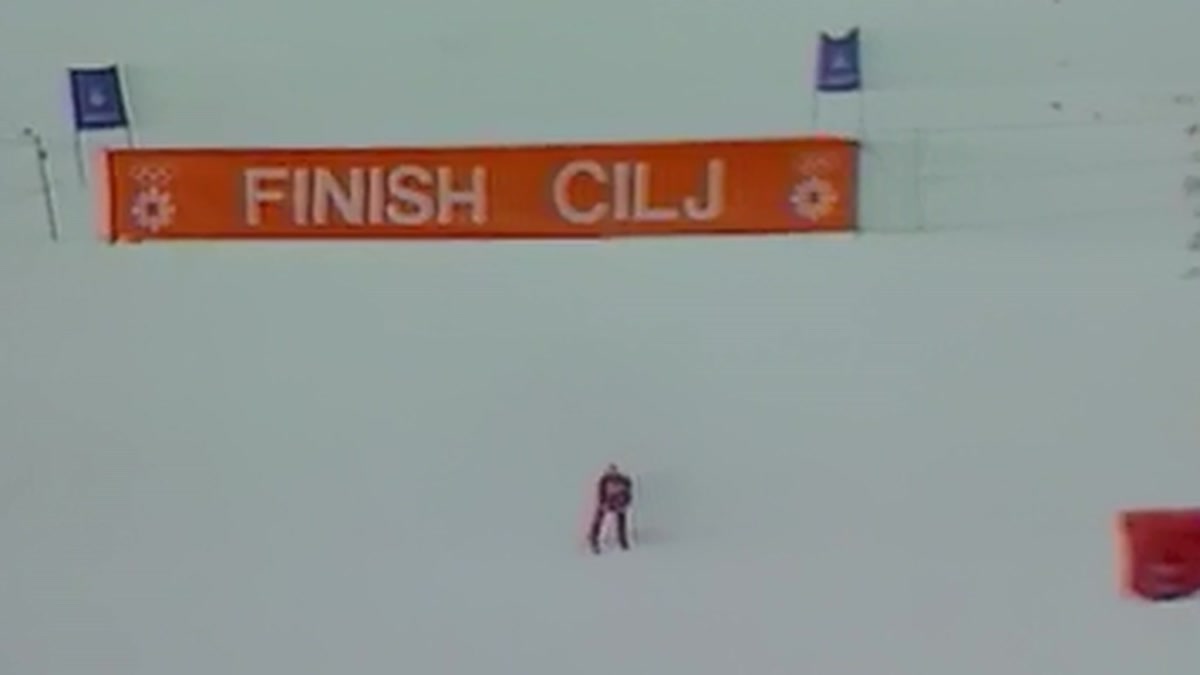
That time was never beaten. But the margin was so small that nobody could know who would win gold until the last favourites had raced.
Five hundredths between gold and silver
Maria Walliser started with bib number ten. Her run was almost as fast as Figini’s. The difference between the two Swiss skiers was so small that the electronic timing decided the winner.
The clock stopped at 1:13.41 for Walliser.
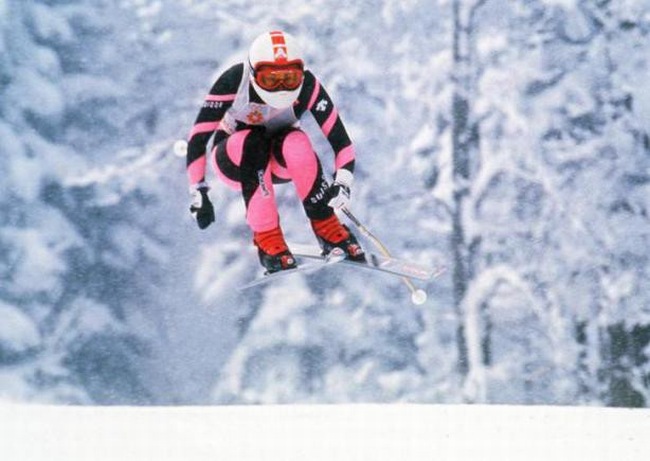
Figini – 1:13.36. Walliser – 1:13.41.
Just five hundredths of a second separated first and second place.
The bronze medal went to Olga Charvátová of Czechoslovakia, who finished in 1:13.53, seventeen hundredths behind the winner.
The whole Olympic podium fitted into a gap of less than two tenths of a second.
So at seventeen Figini won Olympic gold, after already being the fastest the day before in the race that was stopped.
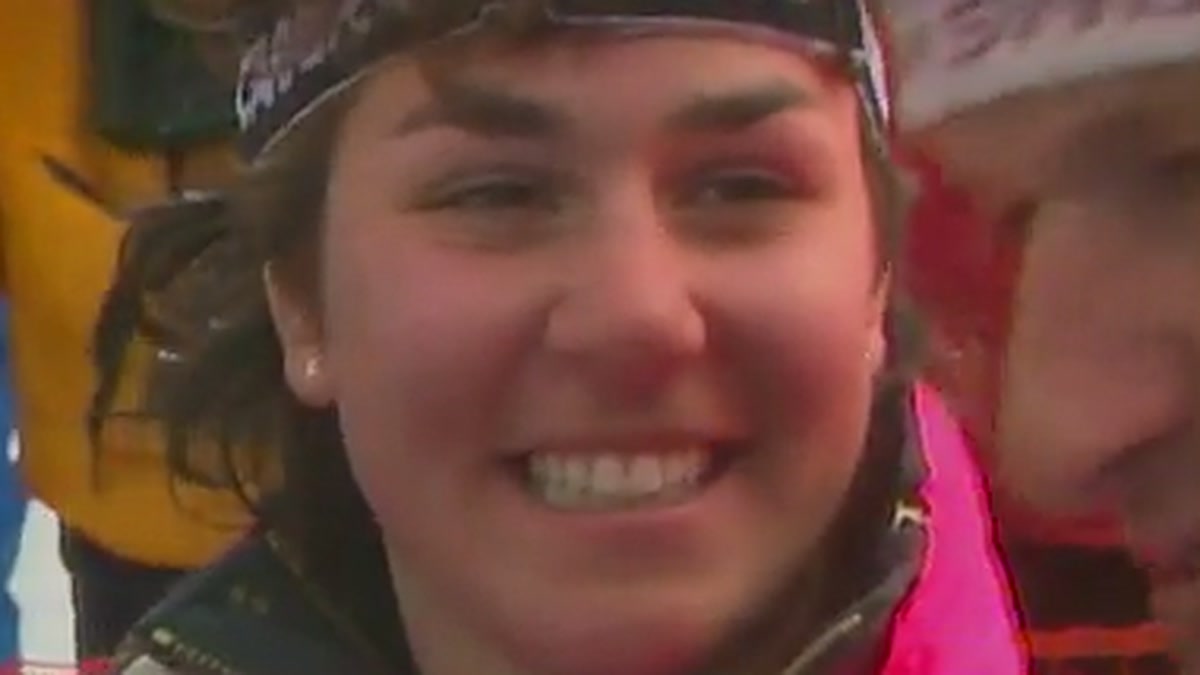
Walliser finished second, even though she too had an outstanding result. Czechoslovakia won a historic bronze, the country’s first Olympic medal in alpine skiing.
On Jahorina that day it was not only the skiers’ courage on the steep course that decided the race. What mattered most was timing precise enough to tell apart two almost identical runs.
The fog came back
The downhill was finally over, but the weather troubles on Jahorina were not. The very next day, 17 February, thick fog appeared again during the women’s slalom.
The race was held in difficult conditions. There were as many as 17 skiers out in the first run, and four more in the second.
The gold medal went to Italy’s Paoletta Magoni, ahead of France’s Perrine Pelen and Ursula Konzett of Liechtenstein. Earlier, on 13 February, American Debbie Armstrong had won the Olympic giant slalom.
So three women’s Olympic events were held on Jahorina, and the gold medals went to skiers from three different countries.
Still, it was the downhill that left the strongest story. Not only because of five hundredths of a second, but because of everything that came before that margin.
A course that remembers
The Sarajevo Olympic Games ended on 19 February 1984. By then Jahorina had already earned its place in the history of world skiing, and its Olympic courses lived on after the Games.
People still ski on them today, although the mountain, its infrastructure and the way the courses are prepared have changed considerably over the decades.
Michela Figini later became one of the most successful Swiss skiers of her generation. She won two overall World Cup crystal globes and four small globes in the downhill. She came to Jahorina as a seventeen-year-old racer. She left as an Olympic champion.
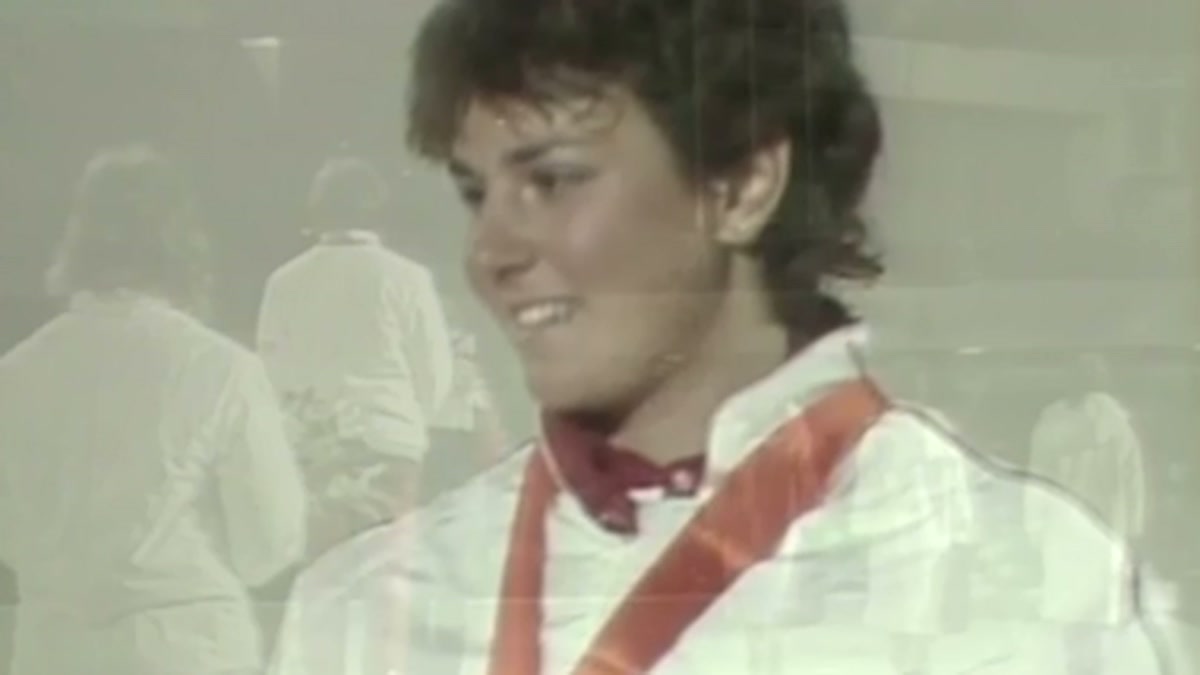
Between those two moments there were five days of waiting, a stopped race, thick fog, a new morning at the start and 1,965 metres of downhill.
That is what Olympic gold on Jahorina was worth on that February morning in 1984.