


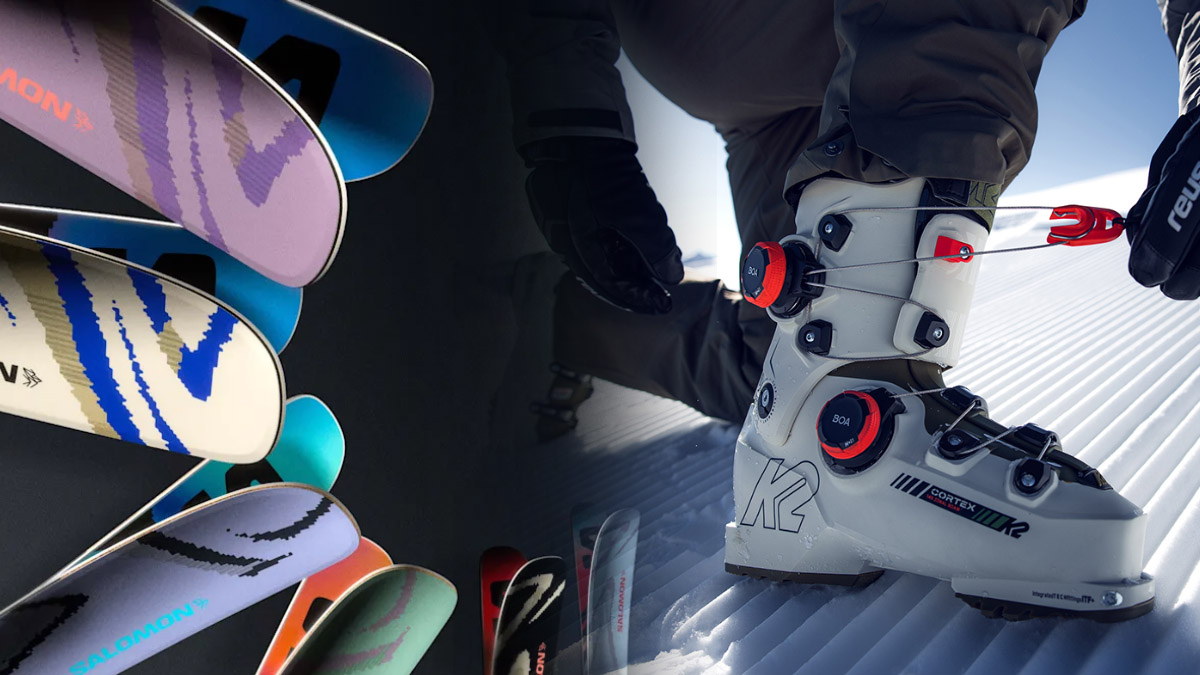
As the 2025/26 winter season approaches, all snow enthusiasts are turning their attention to what lies ahead in the world of ski equipment. Engineers, designers, and brands are tirelessly working on innovations that will make skiing safer, more agile, more comfortable — and aesthetically more appealing. Below is an overview of the most significant trends and innovations we can expect in the coming season.
Ski Boots — BOA Systems and Low-Volume Construction
Dual BOA systems (two BOA dials or “dual-dial” adjustments) are becoming increasingly common in new ski boot models. For example, K2 Cortex models introduce “zonal BOA” adjustment, which allows finer control over boot flexibility.
Nordica adds a “dual dial BOA” option to its popular Speedmachine model, combining traditional buckles with the BOA system.
Low-volume construction — boots with a smaller internal volume are becoming the standard among performance models. This improves foot-to-boot contact, reduces empty space, and increases steering precision. (as already noted — confirmed by brand announcements and tests)
We will still see classic buckles, but with improved materials, softer edges, additional adjustments, and hybrid systems (buckle + BOA).
Faster and more precise tension adjustment during the day, better power transfer, and improved control — especially useful during long ski days or when snow conditions change.
Skis — Refinement, Differentiation, Adaptation
Instead of major revolutions, many brands are introducing evolutionary upgrades to their flagship lines: improved cores, optimized geometry, and new material combinations.
Greater specialization within product lines: instead of one “do-it-all” ski, brands are creating models that perform better under specific conditions (powder, carving, frontside, all-mountain).
Some models eliminate metal layers for a lighter feel, while others add titanal or carbon reinforcements for extra stability and responsiveness.
The Salomon QST line introduces new shapes and rocker profiles to make it more agile without sacrificing performance in deep snow.
Testers at NewSchoolers Gear Week highlight models like Unleashed 98 CA (without metal layers) as an example where trade-offs — lighter weight, better buttering capability — are accepted in favor of versatility.
New Head Kore models (Kore 94 Ti) feature significant construction changes, combining top-tier performance with flexibility for various conditions.
Better-tailored skis for your needs — if you prefer groomed slopes, there’s a version for that; if you love freeride, look for models with more “float” characteristics.
Safety — Cut-Resistant Base Layers
There’s growing focus on cut-resistant clothing and base layers that protect the legs from sharp ski edges in case of collisions or falls.
A major development: the International Ski Federation (FIS) plans (or is considering) to make such layers mandatory in certain disciplines.
In one incident, skier Breezy Johnson avoided a serious leg cut — thanks to wearing exactly this type of protective layer.
When you fall or when another ski passes close by, the chance of being cut is much lower. It offers peace of mind and additional protection, especially during high-speed or freestyle racing events.
Ecology and Sustainability
Brands are increasingly using recycled materials, eco-friendly coatings, and transparent production chains.
The goal is to reduce harmful chemicals, use wood from sustainable sources, and minimize production waste.
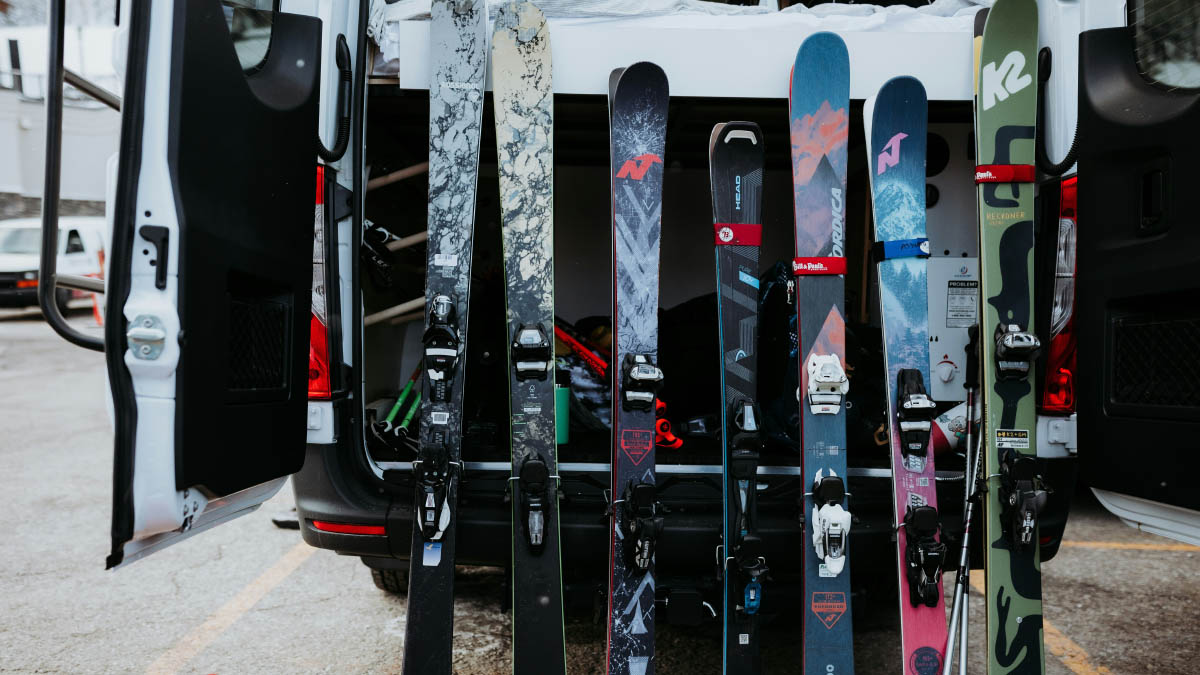
Consumer demand — especially among younger generations — is pushing brands to go “green.”
In the fashion segment, collaborations between ski brands and fashion houses are emerging, as well as luxury après-ski collections that emphasize aesthetics and sustainability.
When choosing your gear, you can now pick models that are kinder to the planet — adding an “eco stamp” to your skiing experience and the content you share.
Fashion Trends / Aesthetic Elements
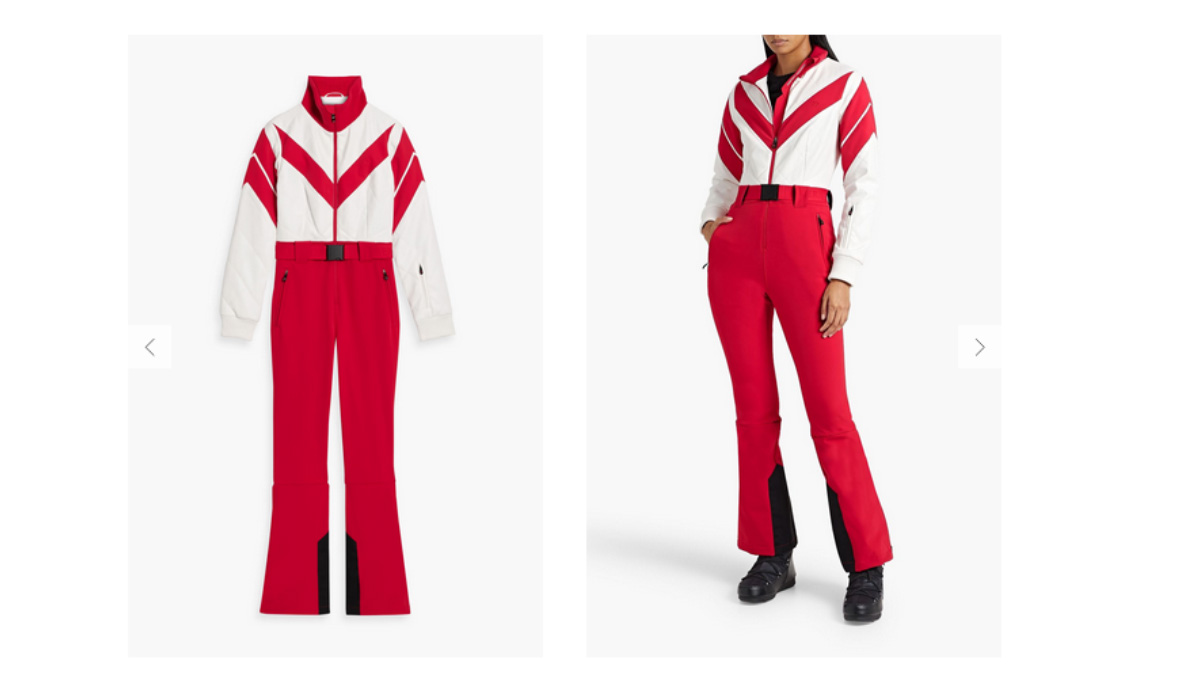
Color-blocking (contrasting color panels) remains a key trend in ski apparel.
An increasing number of collaborations between sportswear and streetwear brands — along with retro design elements — are shaping the look of the slopes.
Styling that works both “on and off the slopes” combines performance with fashion.
Your gear needs to look as good as it performs — modern ski fashion is designed to be “Instagram-friendly” and fit seamlessly into today’s mountain lifestyle.
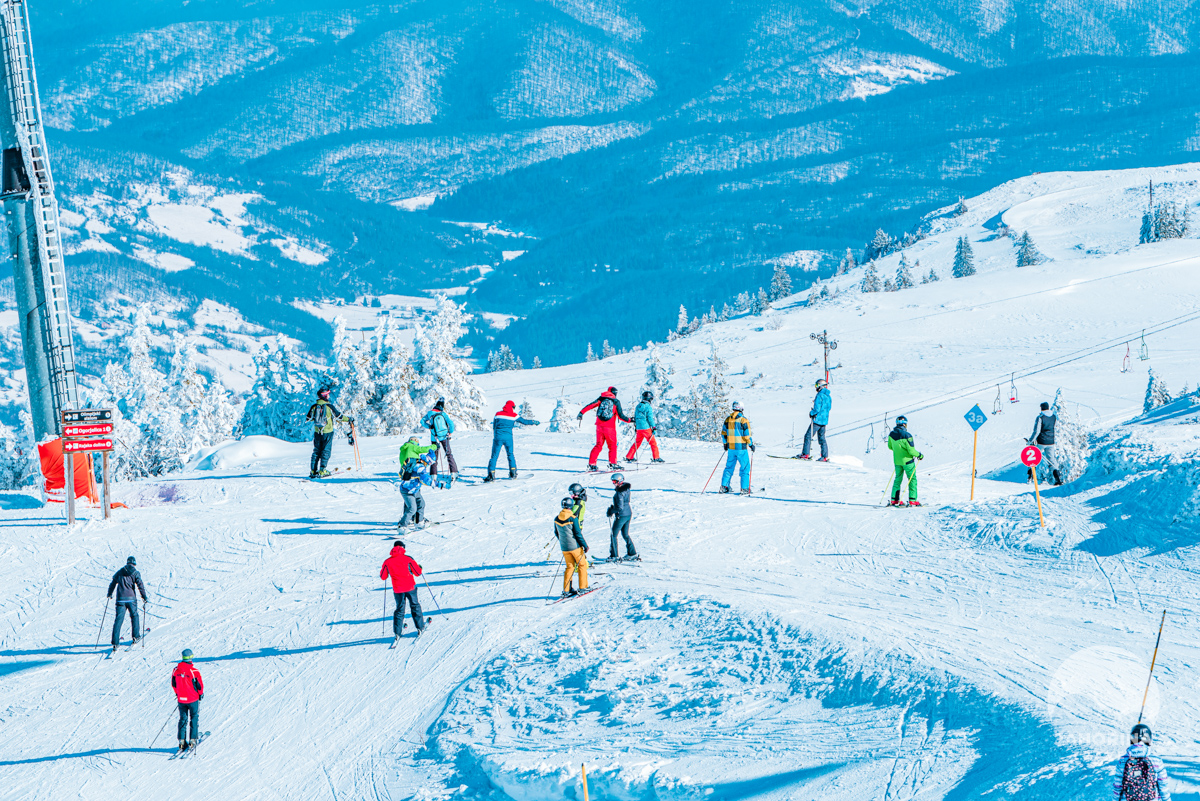
The 2025/26 season brings evolution, not revolution, in ski equipment — focusing on fine-tuning, greater specialization, safety, and sustainability.
For those looking to test or rent the latest equipment before purchasing, Jahorina offers a wide range of ski rental shops, stores, and service centers that follow global trends.
If you’re planning a visit this winter, keep these new standards and trends in mind — and experience them firsthand on the slopes of Jahorina.
0 Comment